Who gets the next fill?
At this hypothetical 100.00 bid, 80 units arrived ahead of our 30. The oldest orders fill first at this level. There are no cancels.
Electronic trading & infrastructure
We study what a place in the queue is worth, when to pull a quote and where a fill leaves us. That’s the starting point for the trading systems we build.
Explore our workOur expertise
At a given price, queue position helps determine what gets filled. Market data, execution and risk controls each need a consistent view of what happened.
At this hypothetical 100.00 bid, 80 units arrived ahead of our 30. The oldest orders fill first at this level. There are no cancels.
Ticks can keep arriving after a sequence gap. Rebuild the book from a snapshot and apply buffered updates in order before pricing off it again.
A fill can arrive while a cancel is pending. After a reconnect, reconcile the venue’s fills and open orders before treating local order state as current.
A partial fill changes the position while the remainder can still trade. Pre-trade limits need to account for both, including orders with cancels still pending.
Replay the inputs with the code and configuration that ran at the time. Follow the decision through the risk check, outbound order and venue response.
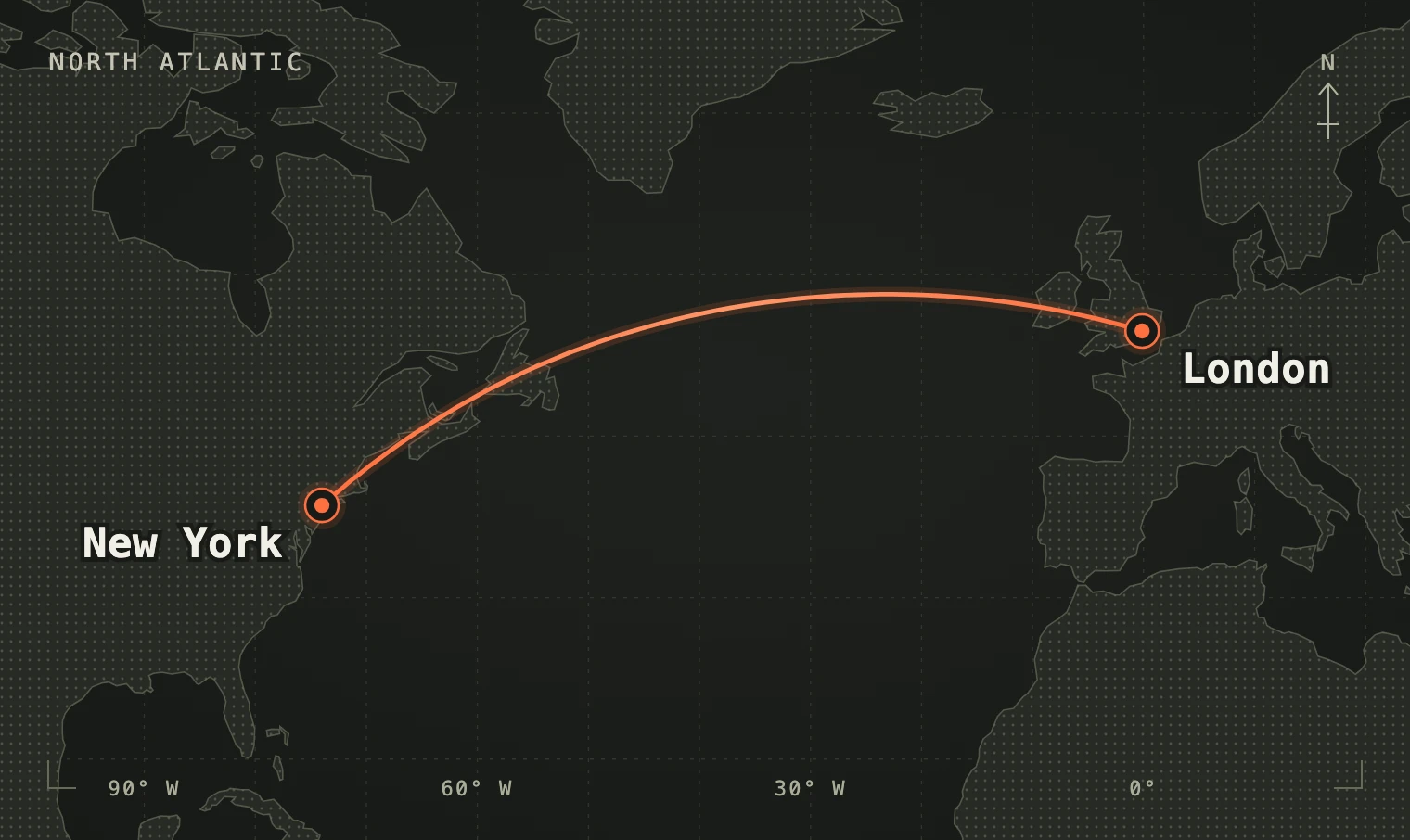
The arc joins the city centres. Route latency is published by EXA Infrastructure. Map data from Natural Earth.
Trading research
Fill rate measures how often quotes trade. A markout values the fill against a later midpoint.
Suppose a passive bid fills at 100.00 and the midpoint is 99.98 one second later. For the buyer, the later midpoint less the fill price gives a signed markout of −0.02 per unit before fees or rebates.
A single negative markout can reflect ordinary price noise. If it recurs across fills at similar spreads and volatility, the pattern can point to adverse selection. Compare several horizons to see whether the move persists.
Read markouts alongside fill rate and the urgency of the order. A desk that needs to complete an order promptly may accept a different trade-off from one that can wait. Nasdaq’s discussion of markouts.
Execution
A resting quote can fill at the old price after the reference market has moved.
A cancel in flight leaves the remaining size exposed. Trace the time from the reference price move through feed receipt and the pricing decision to the event that removes or replaces the quote at the venue. Include any fills along the way.
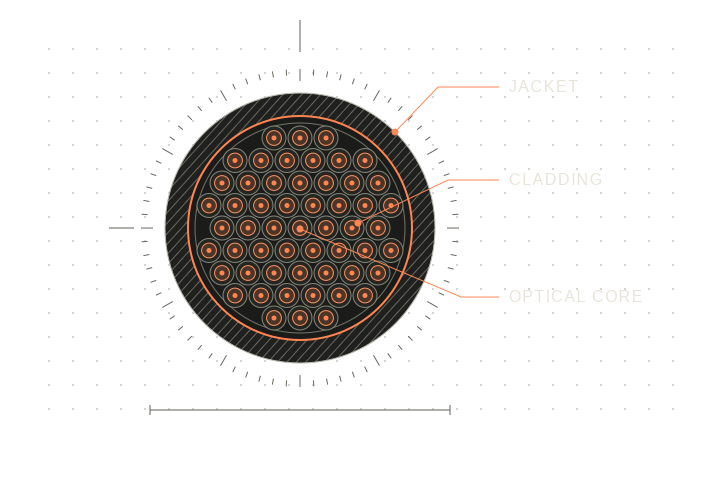
The great-circle distance between New York and London is about 5,570 km. At roughly 5 µs per kilometre in glass, a hypothetical fibre following that arc gives 27.85 ms one way, or 55.7 ms round trip. An installed link has its own cable length and equipment delays. Ciena’s fibre propagation estimate.
Break the local part of that timeline into queueing and processing. Across systems, account for clock offset and report the uncertainty. It determines how confidently the desk can place a fill before or after the price move.
Market data
The screen can still show a best price after a sequence gap. That price may have been cancelled or traded away.
Track the next expected sequence number for each feed session. A MoldUDP64 heartbeat carries the sender’s next sequence number, so it can reveal a missed update during a quiet market. Nasdaq’s MoldUDP64 specification.
When a gap appears, pass the recovering state to pricing and risk checks that depend on the affected books. Track working orders separately through venue acknowledgements and execution reports.
Buffer live updates during replay. If recovery needs a sequenced snapshot, apply the contiguous updates after its boundary. The book is usable again once the sequence is complete and the backlog is within the desk’s freshness budget.